
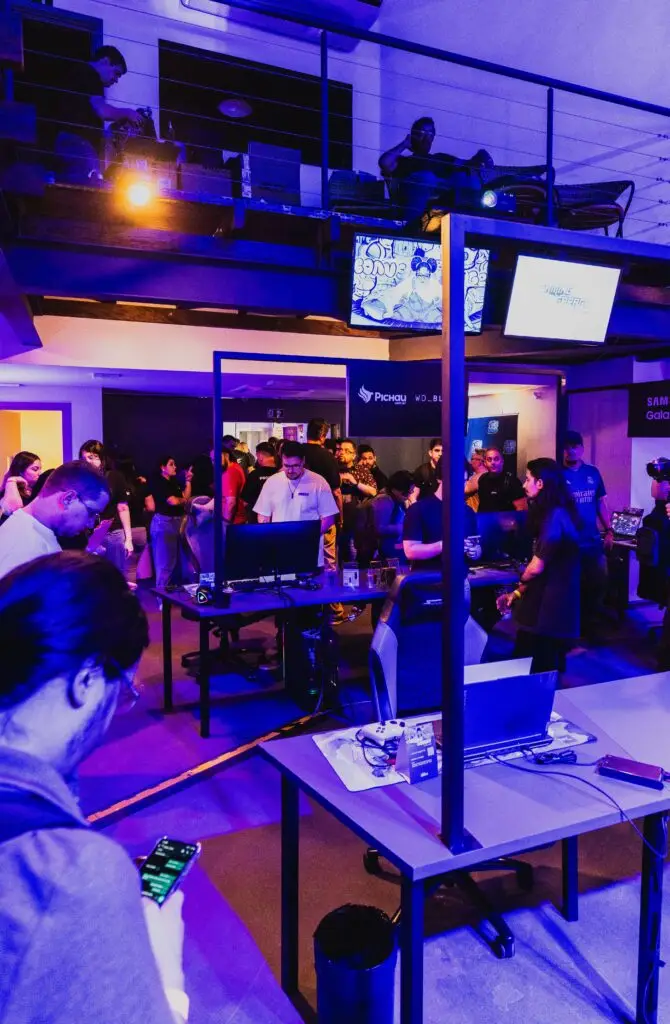
Back in 2014, I wrote a piece titled “Why I don’t like hackathons.” I was 39 and a half then, looking at the tech landscape and feeling completely out of sync with the industry’s obsession with 48-hour coding marathons. Fast forward to 2026, with over three decades of development experience under my belt, and guess what? My stance hasn’t changed. If anything, the shift toward AI-driven development and the worsening tech burnout crisis have only made my original arguments stronger.The tech world keeps trying to glamorize these events, but for many seasoned developers, the reality remains the same: hackathons are too much commitment, highly exclusive, and deeply unhealthy.The Toxic Culture of Overwork The suffix “-athon” tells you everything you need to know. It implies a marathon—an intense, exhausting sprint that demands your entire weekend. In 2026, we talk a lot about mental health and work-life balance in tech, yet we still celebrate events where people use massive amounts of caffeine and energy drinks to stay awake for 48 hours straight.Sitting hunched over a laptop in a poorly ventilated room, eating mediocre catering pizza, and ruining your sleep cycle isn’t a badge of honor. It’s a recipe for physical and mental exhaustion. I value my sleep, my health, and my time outside of code far too much to sacrifice a weekend for temporary hype.Exclusion by Design Hackathons inherently exclude people with lives, families, and real responsibilities. If you have kids to care for, an elderly parent to look after, or even just a garden that needs watering, spending an entire weekend locked in a tech hub is practically impossible.This exclusion is never evenly distributed. It disproportionately affects women and older developers who carry more domestic responsibilities. Despite years of tech industry promises to build more inclusive environments, finding a hackathon that provides professional childcare or respects a flexible schedule is still incredibly rare in 2026. Diverse teams create better technology, so why do we continue to champion formats that shut out entire categories of people?Building Flashy Toys Instead of Sustainable Code From a purely technical standpoint, hackathons reward the wrong things. The end-game is almost always a hyper-competitive race to “create the best X and win a prize.” This environment forces developers to build quick, flashy prototypes that look cool during a three-minute pitch but have zero depth.When you review these prize-winning hacks five months later, you rarely find a single active code commit. They become digital ghosts. They encourage disposable software at a time when the tech industry desperately needs sustainability, maintainable codebases, and long-term collaboration on existing open-source projects.What We Need Instead: Collaborative Tech Spaces So, what are hackathons actually good for? They function as decent PR exercises for tech corporations and a temporary networking playground for self-confident, young participants. But they don’t solve real-world problems.Instead of competitive pressure cookers, I want to see more ongoing, low-commitment civic tech meetups. We need welcoming environments for developers of all skill levels, where mentorship happens naturally, and where people can contribute to lasting projects at their own pace. Moving away from superficial competition is the only way we can build software that truly matters.